Incinerator Emissions: What Operators and Procurement Teams Need to Know
Environmental performance is a complete-system issue. Learn where emissions come from and how waste characterisation influences the design of APC systems.
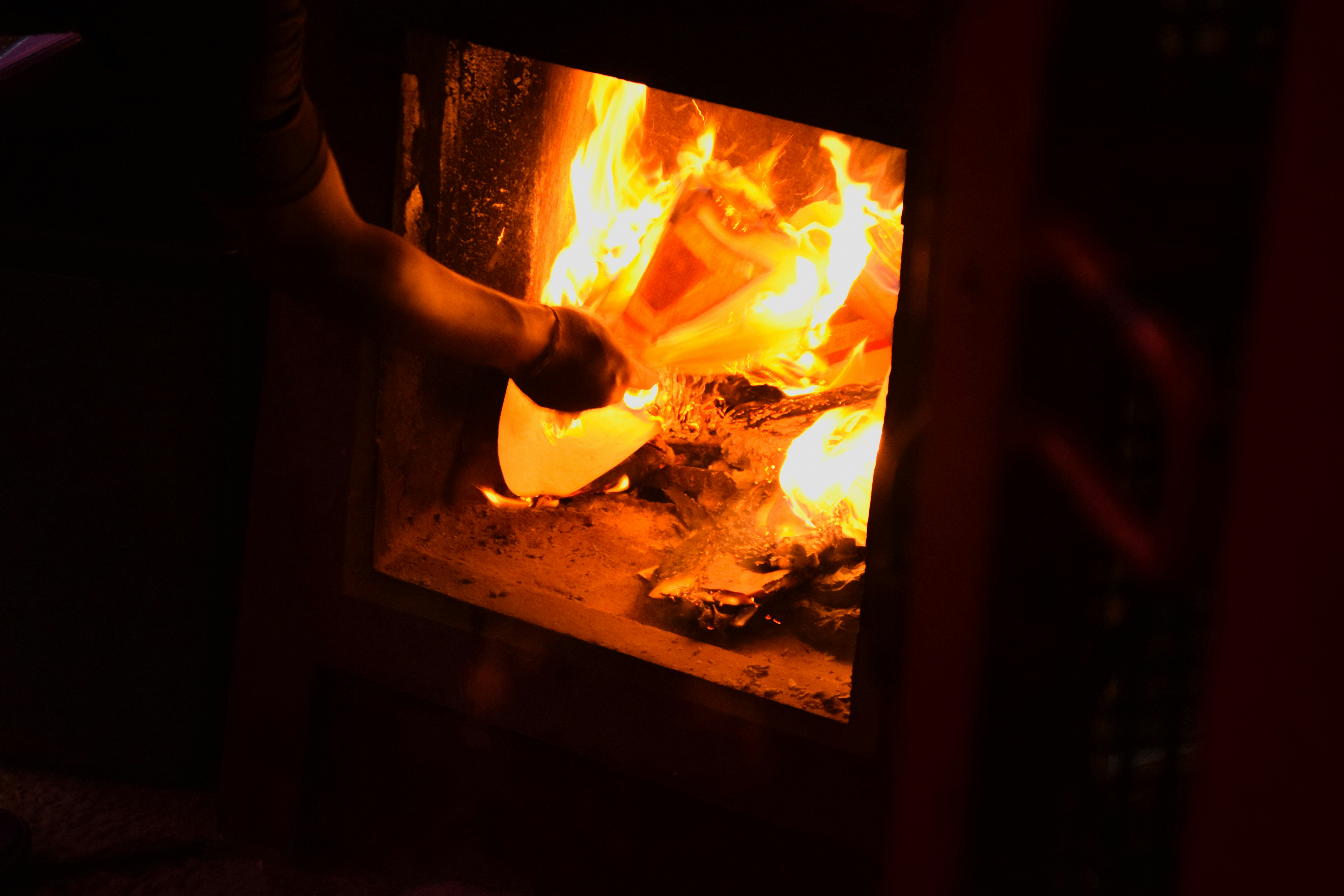
Incinerator emissions are determined by the interaction between the waste, combustion process and flue-gas treatment system. Environmental performance should therefore be considered from the earliest stage of project design rather than after the furnace has been selected.
Where Emissions Come From
Combustion produces a mixture of gases and particulate material. The composition depends on the waste being treated and the conditions inside the combustion system.
| Parameter | Potential source | Possible control |
|---|---|---|
| Particulates | Ash and combustion | Filtration |
| Acid gases | Chlorine and sulphur compounds | Scrubbing |
| CO | Incomplete combustion | Combustion optimisation |
| Organic compounds | Waste chemistry and combustion | Combustion and gas cleaning |
| NOx | High-temperature combustion | Combustion control or reduction systems |
Combustion Comes First
Air-pollution-control equipment cannot compensate indefinitely for poor combustion. Stable operating conditions, appropriate temperature, sufficient residence time and effective air management are fundamental to the process.
Why Waste Characterisation Matters
The APC system should be selected using information about the waste. Chlorine, sulphur, moisture, calorific value, ash and other characteristics can influence the flue-gas treatment requirements.
Monitoring
Monitoring requirements vary according to jurisdiction, plant category and applicable permit conditions. Procurement documents should clearly identify the applicable requirements and how performance will be demonstrated.
Conclusion
Environmental performance is a complete-system issue. Waste characterisation, combustion design, flue-gas cleaning and monitoring should be developed together to produce a practical and compliant installation.