Technical Resources
In-depth analysis and guidance on the latest incineration technologies, compliance standards, and sustainable waste solutions.

Healthcare
Medical Waste Incinerators: A Practical Guide for Hospitals and Healthcare Facilities
Medical waste management is an essential part of healthcare infrastructure. A properly specified medical waste incinerator can provide controlled thermal treatment while reducing final disposal volume.

Agriculture
Animal Carcass Incinerators: Safe Thermal Treatment for Farms and Agricultural Operations
When carcasses cannot be buried or rendered, on-site thermal treatment provides a controlled disposal method. Selecting the right system requires consideration of animal type and mortality patterns.

Industrial
Industrial Waste Incineration: How to Select the Right System
Industrial waste varies enormously by facility. Manufacturing operations can generate complex residues with different thermal properties. Success starts with waste characterisation.
Engineering
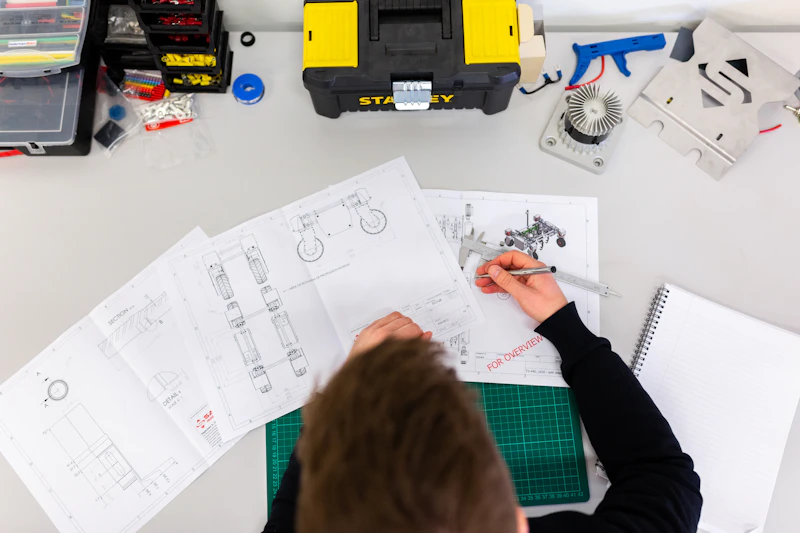
Incinerator Installation and Commissioning: What Happens After Purchase?
Buying an incinerator is only the first step. Proper site preparation, professional installation, and rigorous commissioning are essential for establishing a reliable waste-treatment facility.

Containerised
Containerised Incinerators: When a Mobile or Modular System Makes Sense
Modular systems offer flexibility where permanent buildings are impractical. Discover the benefits of integrating combustion equipment into ISO-standard enclosures for remote deployments.

Maintenance
Incinerator Refractory Lining: Why It Matters and When It Needs Attention
Refractory is the essential thermal shield of any incinerator. Learn the signs of deterioration and why preventive inspection is critical for protecting the furnace structure.
Energy
Incinerator Fuel Consumption: What Determines How Much Fuel You Use?
Fuel consumption is a major OpEx factor. It depends on waste moisture, calorific value, and loading practice. A complete thermal balance is the key to understanding costs.
Agriculture
How to Choose an Animal Cremator: Capacity, Operation and Site Requirements
Choosing a cremator requires matching the equipment to expected animal sizes and turnaround times. Learn the essential site requirements for veterinary and farm systems.
Environmental
Incinerator Emissions: What Operators and Procurement Teams Need to Know
Environmental performance is a complete-system issue. Learn where emissions come from and how waste characterisation influences the design of APC systems.
Procurement
How to Choose an Incinerator Manufacturer and Supplier
Selecting a supplier is a lifecycle decision. Evaluate experience, technical documentation, and long-term support capabilities rather than just initial capacity ratings.

Environmental
Air Pollution Control for Incinerators: From Combustion to Clean Gas
Air-pollution control (APC) should be designed as part of the incineration process, not added after the furnace has been selected. The appropriate system depends on waste chemistry, combustion conditions, required emission limits, gas flow, temperature and the jurisdiction in which the plant operates.
Energy Recovery
Incinerator Waste-to-Energy: How to Assess Energy Recovery Potential
Waste-to-energy can turn part of the thermal energy contained in suitable waste into useful heat, steam or electricity. However, energy recovery should be assessed from the actual waste composition and plant duty—not from waste mass alone. Moisture, calorific value, combustion conditions, heat losses and parasitic loads all influence the energy that can realistically be recovered.
Engineering
Medical Waste Incinerator Capacity: How Many kg/hr Do You Need?
Incinerator capacity should be calculated from the waste stream and operating plan—not selected from hospital bed count alone. A useful preliminary sizing exercise starts with daily mass, effective operating hours and peak demand, then checks the result against waste composition, moisture, density and the selected combustion system.
Mining Infrastructure
Remote Mining Waste Infrastructure: The Strategic Engineering Guide
The definitive major engineering guide to remote mine waste infrastructure. Technical analysis of on-site thermal treatment, ROI vs. logistics, and biosecurity for Tier-1 mining assets.
Need Specialized Guidance?
Our engineering team is available for custom consultations regarding site-specific waste challenges and environmental compliance.
Consult an Expert