
Incinerator Fuel Consumption: What Determines How Much Fuel You Use?
Fuel consumption is a major OpEx factor. It depends on waste moisture, calorific value, and loading practice. A complete thermal balance is the key to understanding costs.
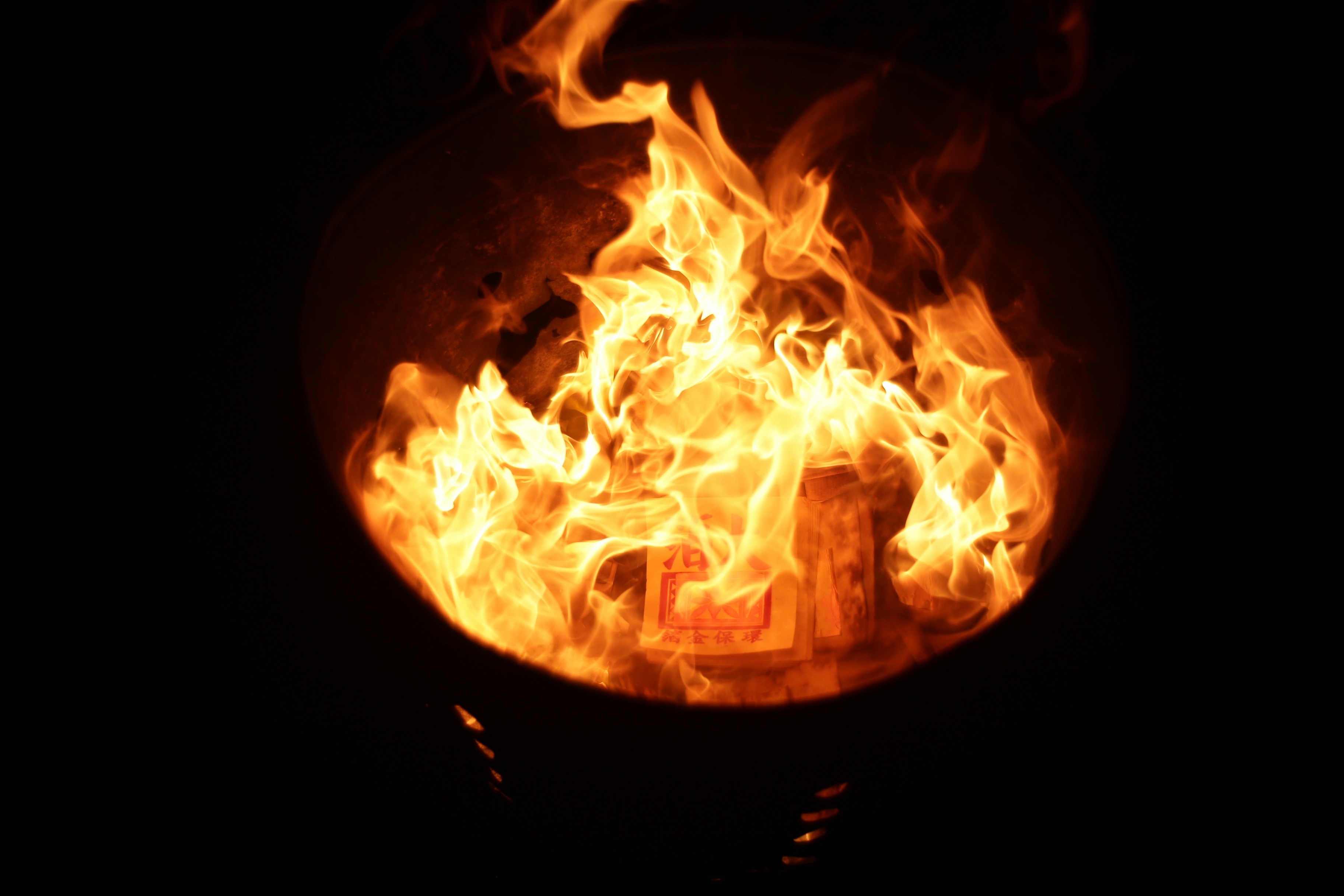
Fuel consumption is one of the most important operating-cost considerations when selecting and running an incinerator. However, fuel consumption cannot be assessed from burner size alone. Waste moisture, calorific value, loading practice, operating temperature, combustion control and equipment condition all influence actual fuel requirements.
Waste Moisture Is Important
Water requires energy to evaporate. A wet waste stream can therefore require substantially more thermal input than a dry waste stream with the same mass.
Calorific Value
Waste with a higher net calorific value provides more energy during combustion. Conversely, low-calorific-value waste may require more auxiliary fuel to maintain the required combustion conditions.
| Factor | Effect on fuel requirement |
|---|---|
| High moisture | Generally increases thermal demand |
| Low calorific value | Can increase auxiliary fuel demand |
| Cold startup | Requires additional fuel |
| Frequent shutdowns | Can increase startup fuel use |
| Poor loading | May reduce combustion efficiency |
| Heat recovery | Can improve overall energy utilisation |
Startup Versus Continuous Operation
Fuel consumption during startup should not automatically be compared with consumption during established operation. The furnace first needs to reach the required operating condition before waste can provide its expected contribution to the thermal balance.
How Fuel Consumption Should Be Specified
Suppliers should state the conditions under which quoted fuel consumption figures apply. These may include waste composition, moisture, calorific value, operating temperature and throughput.
Conclusion
The best way to understand incinerator fuel consumption is to assess the complete thermal balance. Waste analysis combined with operating conditions provides a much more useful basis for estimating fuel requirements than burner capacity alone.